Address
South Jordan, UT 84095
Work Hours
Everyday: 9AM - 9PM
Address
South Jordan, UT 84095
Work Hours
Everyday: 9AM - 9PM
 ByAntony
Solar panels can be a smart upgrade, but they should not be installed on a roof that is already near the end of its life. Before planning a system, homeowners should understand panel output with a resource like this solar panel efficiency guide — then check whether the roof underneath is ready to support that investment.
For many Utah homeowners, solar becomes part of a larger home improvement conversation. A roof may have storm wear, missing shingles, aging flashing, ventilation issues or hidden damage that only becomes obvious once someone starts planning a panel layout.
The best time to fix a weak roof is before solar panels are installed, not after they are already mounted above the problem.
A solar installation is expected to stay in place for many years. If the roof needs replacement soon after the panels are installed, the homeowner may have to pay for panel removal, roof work and reinstallation. That can turn a good energy upgrade into an avoidable expense.
This does not mean every roof must be brand new before solar. It means the roof should be inspected honestly. If the surface, structure and weatherproofing are in good shape, solar planning can move forward with more confidence.
Solar panels may be the visible technology, but the roof is what carries the system through wind, weather, heat, snow and seasonal movement. A strong solar project begins with a strong roofing base.
Roof age is one of the first things homeowners should review. If the roof is relatively new and has been maintained well, it may be ready for a solar installation. If it is older, worn or already showing signs of failure, replacement may be the smarter first step.
If the roof may need replacement within the next few years, it is worth discussing roof replacement before adding solar panels. The sequence matters.
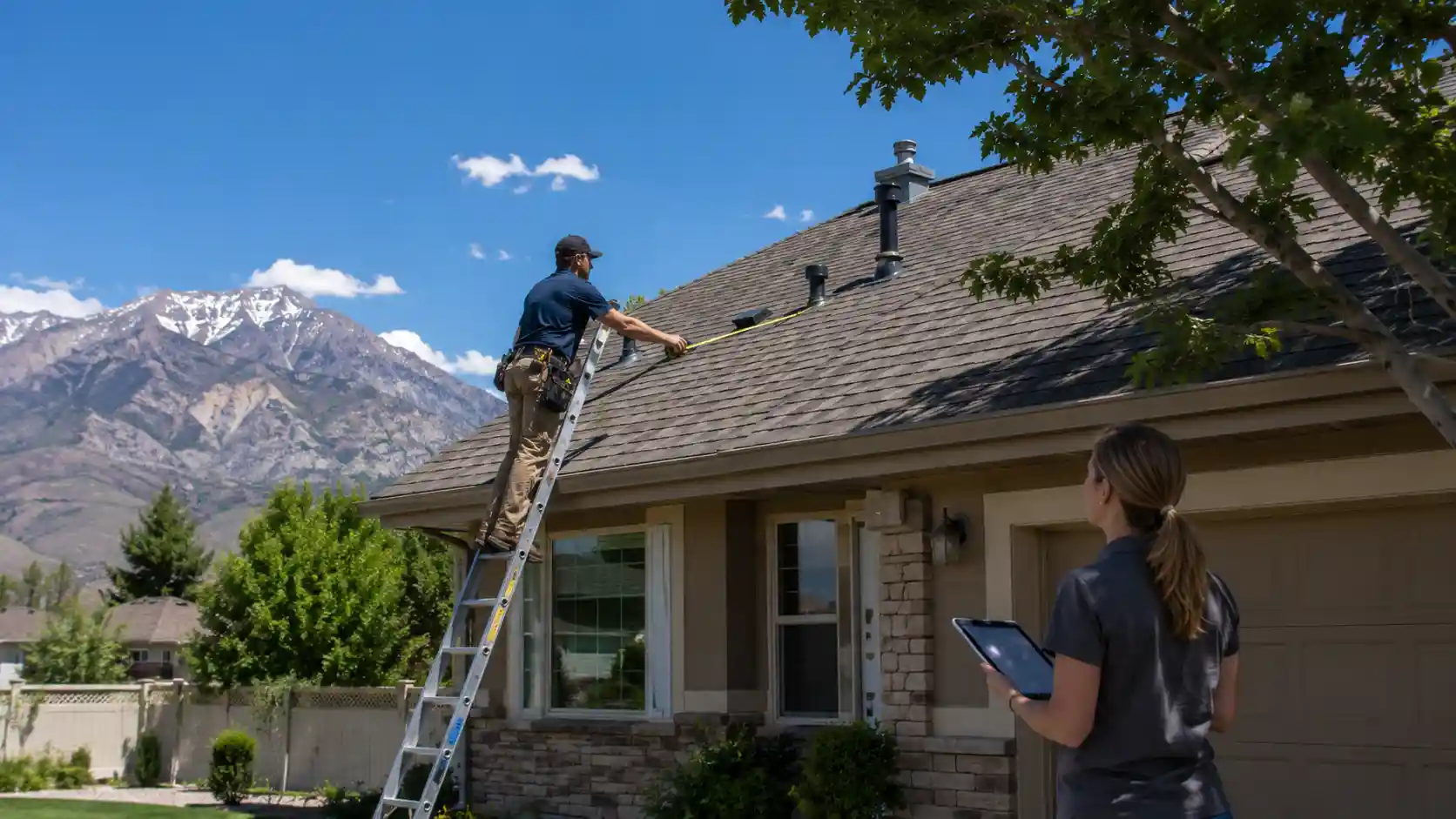
Utah roofs can deal with wind, hail, heavy sun, freeze-thaw cycles and sudden storms. Some damage is obvious from the ground, but other issues require a closer inspection.
Minor damage can become more complicated when solar racking is installed above it. A roof inspection can help separate cosmetic wear from problems that should be repaired first.
Solar mounting systems are designed to attach securely and protect the roof from water intrusion. Still, the surrounding roofing materials must be in good condition. Weak shingles, brittle underlayment or failing flashing can create future leak risks.
Flashing around chimneys, vents, valleys, skylights and walls is already a common leak point. If these areas are aging, loose or poorly sealed, they should be corrected before the roof becomes harder to access.
Plumbing vents, exhaust vents, skylights, satellite mounts and other penetrations can affect panel layout. A clean roof plan helps solar installers avoid awkward layouts and helps roofing contractors identify areas that need attention first.
Solar panels and racking add weight to the roof. The load is usually manageable for many homes, but structure should still be considered, especially on older properties, homes with previous roof layers or roofs with visible sagging.
A roof does not need to look dramatic to have structural concerns. Sometimes the most important clues are found in the attic, not on the shingles.
Good roof ventilation helps manage heat and moisture in the attic. Poor ventilation can contribute to shingle wear, trapped heat, condensation and roof deck issues over time.
When solar panels are added, the roof still needs to breathe properly. Vents may affect panel placement, and panel layouts should not create avoidable service problems around ventilation components.
Solar panels do not remove the need for proper roof drainage. Gutters, downspouts, valleys and roof edges should move water away from the structure effectively.
If gutters are loose, clogged or damaged, water may collect in places where it can harm fascia, siding, foundation areas or roof edges. This should be addressed as part of a broader exterior review.
If a homeowner is replacing a roof before going solar, it is helpful to think about the future panel layout. Roofers and solar installers do not always work from the same perspective, but both should care about long-term performance and weather protection.
If solar is planned soon after roof replacement, tell the roofing contractor early. They may be able to help avoid layout conflicts and make sure the new roof is ready for the next phase.
Different roof types require different solar mounting approaches. The roof material affects attachment method, waterproofing details and installation complexity.
Asphalt shingles are common for residential solar installations. The shingles should be in good condition, and attachments should be flashed properly to protect against leaks.
Some metal roof systems can be excellent for solar, depending on panel type and seam design. Attachment methods vary, so the roof profile should be reviewed before final planning.
Flat roofs may require ballasted or mechanically attached racking systems. Drainage, membrane condition, structural load and maintenance walkways become especially important.
If a roof was damaged by a storm, homeowners should address the damage before adding solar. In some cases, an inspection and damage report can help clarify whether repairs or replacement are needed.
Installing solar over storm-damaged roofing can make the claim and repair process more complicated later. It is usually better to resolve roof condition questions first and then move into solar planning.
Before moving forward with solar panels, homeowners can use this checklist to decide whether the roof needs attention first.
Solar can improve how a home uses energy, but the roof must still do its original job first: protect the structure from weather.
Solar panels can be a valuable long-term upgrade, but they should be installed over a roof that is ready for them. Roof age, storm damage, shingles, flashing, structure, ventilation and drainage all deserve attention before panels are mounted.
For Utah homeowners, a roofing inspection before solar planning can prevent expensive rework and help protect both the roof and the energy investment. When the roof is solid first, the solar system has a much better foundation for years of reliable performance.